
Introduction
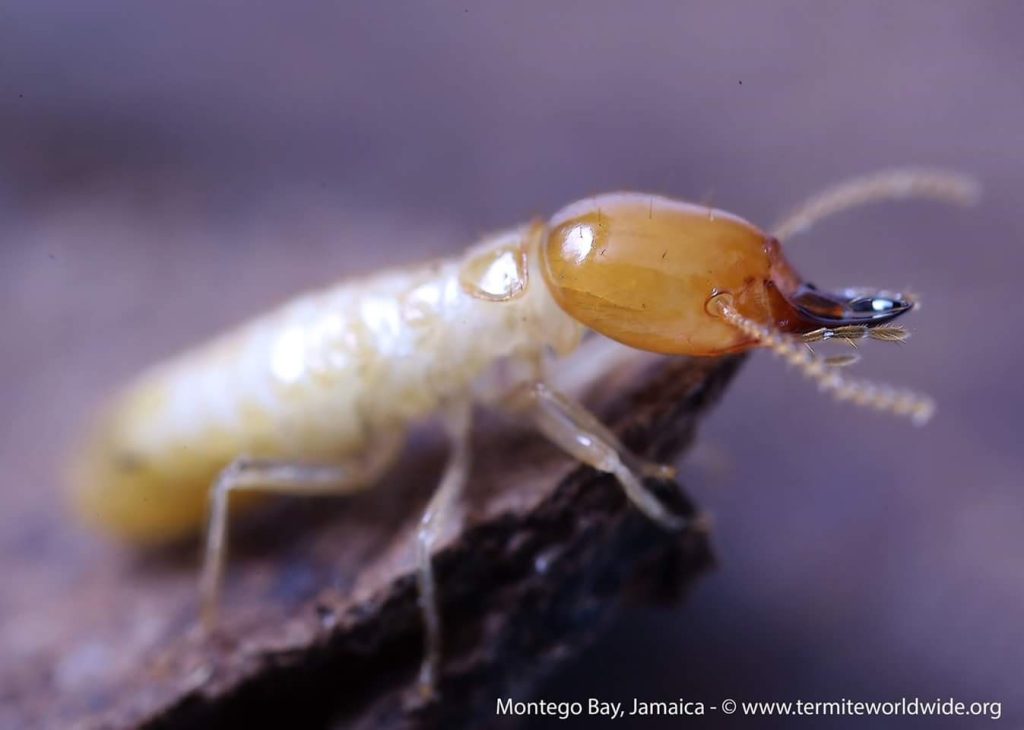
Termites are among the most destructive structural pests in the world. Often called “silent destroyers,” they feed on wood and other cellulose-based materials, causing billions of dollars in property damage every year. Since termites usually remain hidden inside soil, walls, and wooden structures, infestations often go unnoticed until significant damage has already occurred. In Pakistan, subterranean termites are the most common species and pose a serious threat to residential, commercial, and industrial properties. Early identification, preventive measures, and professional termite management are essential to protect your investment.What Do Termites Look Like?
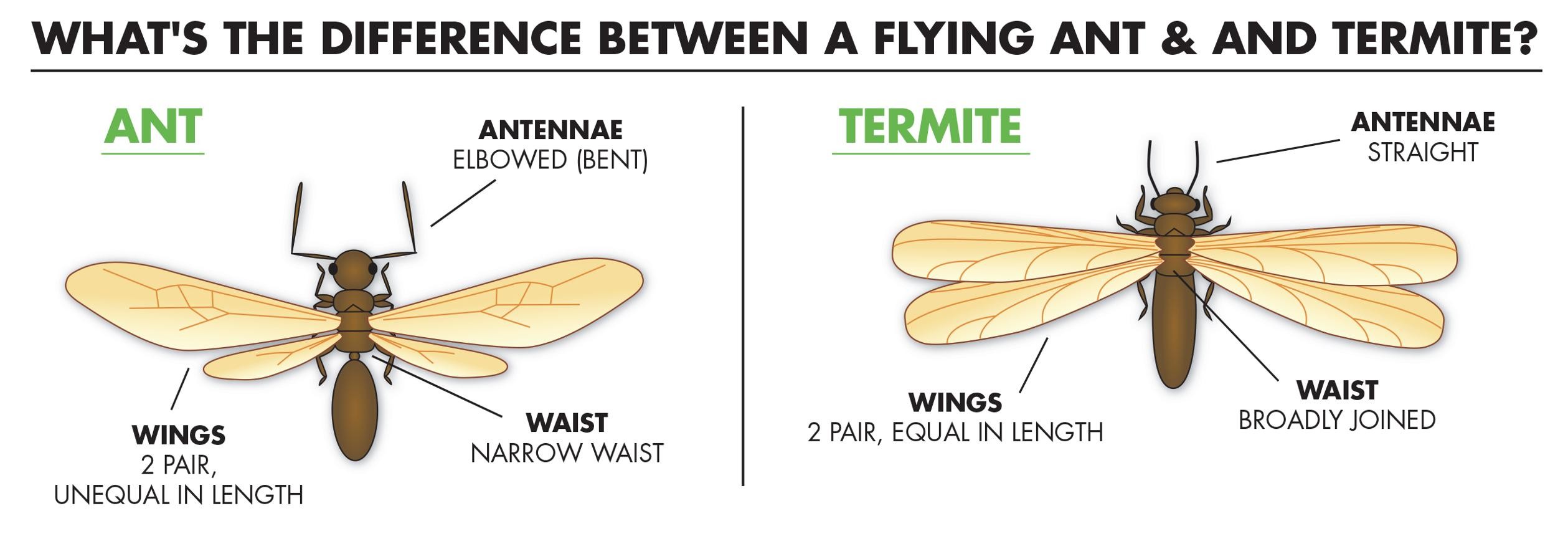
Many people mistake termites for ants, especially during the swarming season when winged termites emerge to establish new colonies.
Termites vs. Ants
| Feature | Termites | Ants |
|---|---|---|
| Waist | Straight | Narrow, pinched |
| Antennae | Straight | Bent or elbowed |
| Wings | Four wings of equal length | Front wings larger than hind wings |
| Wing Shedding | Wings are discarded after swarming | Wings remain attached until mating |
If you notice discarded wings near windows, doors, or light sources, it is often an early indication of termite activity.
Types of Termites
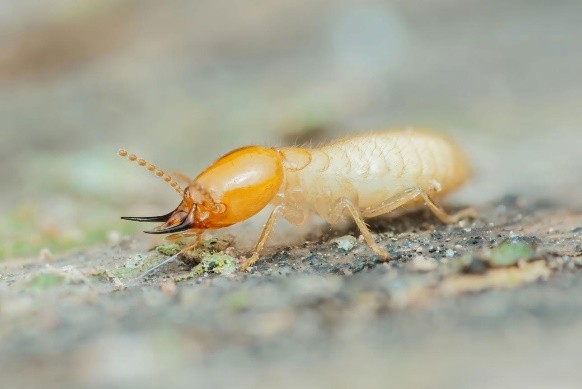
Scientists classify termites into three major groups based on their habitat:1. Subterranean Termites
- Live in soil
- Build mud tubes to reach food sources
- Most destructive species in Pakistan
- Responsible for the majority of structural damage
2. Drywood Termites
- Live entirely inside dry timber
- Require little moisture
- Less common in Pakistan
3. Dampwood Termites
- Prefer moist and decaying wood
- Usually found where excessive moisture exists
- Rare in urban Pakistan
Where Do Termites Live?
Termites prefer dark, humid environments with a reliable source of moisture. Common nesting locations include:- Soil around building foundations
- Wooden structures
- Tree stumps
- Dead logs
- Wall cavities
- Roof timbers
- Wooden flooring
- Furniture
- Door and window frames
Why Are Termites Dangerous?
Termites cause extensive damage because they continuously consume cellulose found in wood and wood-based products. They can damage:- Homes
- Commercial buildings
- Warehouses
- Furniture
- Wooden flooring
- Roof structures
- Paper documents
- Cardboard packaging
- Books
- Electrical insulation
- Product losses
- Structural repairs
- Operational disruption
- Audit non-compliance
- Increased maintenance costs
Signs of a Termite Infestation
Common warning signs include:- Mud tubes on walls or foundations
- Hollow-sounding wood
- Discarded wings
- Tight-fitting doors and windows
- Bubbling or blistered paint
- Cracked wooden surfaces
- Small piles of termite droppings (for drywood termites)
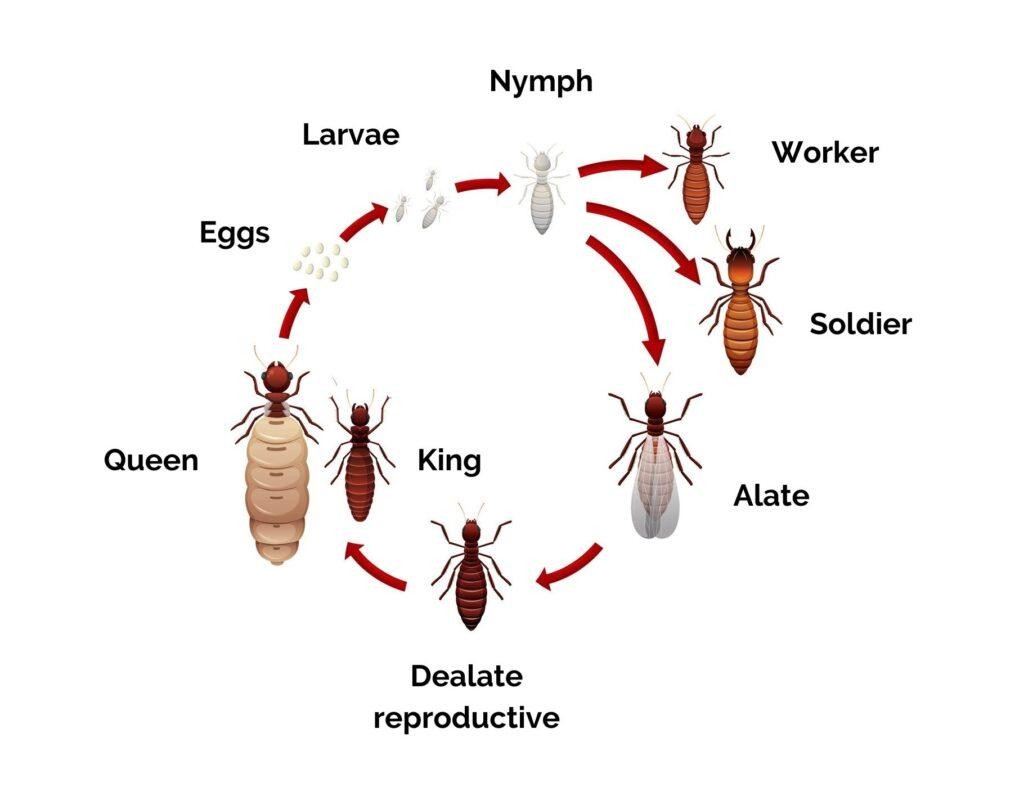
Termite Life Cycle
 |
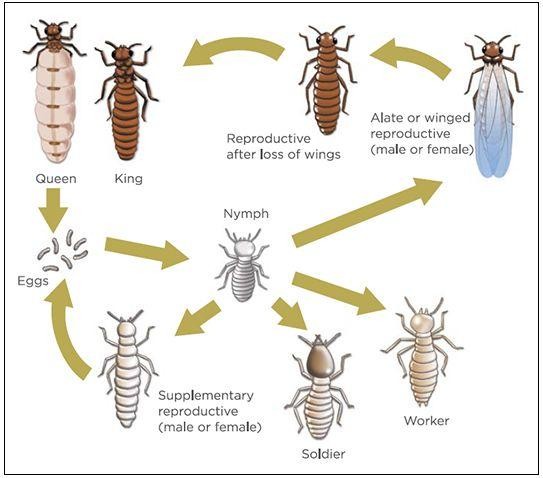 |
A termite colony is highly organized and consists of different castes, each performing specific roles.
Egg
The queen lays hundreds to thousands of eggs every day.Larvae
Young termites hatch from eggs and are fed by worker termites until they develop into their assigned caste.Workers
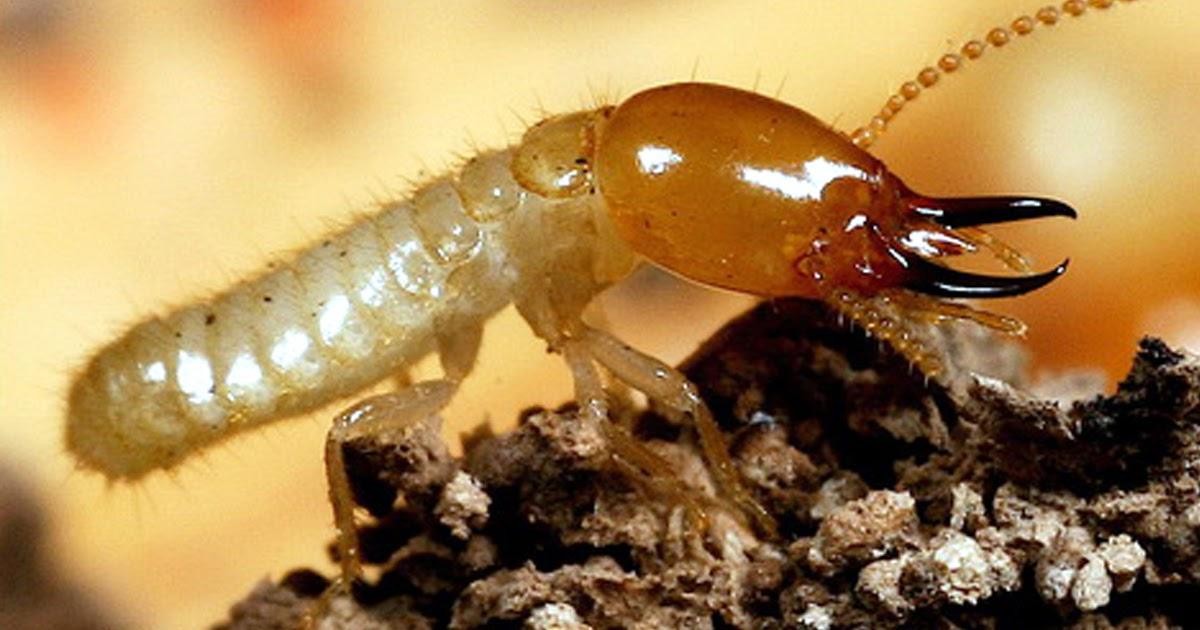
Workers make up the largest part of the colony. They collect food, feed other termites, build tunnels, maintain the nest, and cause most of the damage by consuming wood.Soldiers
Soldier termites defend the colony from predators, particularly ants. Their enlarged mandibles are designed for protection rather than feeding.Winged Reproductives (Alates)
During swarming season, winged termites leave the colony to establish new colonies after mating.King and Queen
The queen is responsible for egg production and may live for over 20 years, while the king remains with her throughout the colony’s life.How to Prevent Termite Infestation
Preventing termites is more effective and less expensive than repairing termite damage.During Construction
- Soil pre-treatment with approved termiticides
- Wood treatment before construction completion
- Installation of termite baiting systems
- Proper foundation design
For Existing Buildings
- Schedule annual termite inspections
- Repair leaking pipes immediately
- Eliminate moisture around foundations
- Avoid direct wood-to-soil contact
- Remove dead tree roots and stumps
- Store firewood away from buildings
- Seal foundation cracks and expansion joints
Professional Termite Control Solutions
At FLORA Services, we use an Integrated Pest Management (IPM) approach tailored to the type and severity of infestation. Our professional termite solutions include:- Comprehensive termite inspections
- Subterranean termite soil treatments
- Pre-construction termite treatment
- Post-construction drilling and injection
- Termite baiting and colony elimination systems
- Wood preservation treatments
- Annual monitoring and maintenance programs