
Introduction
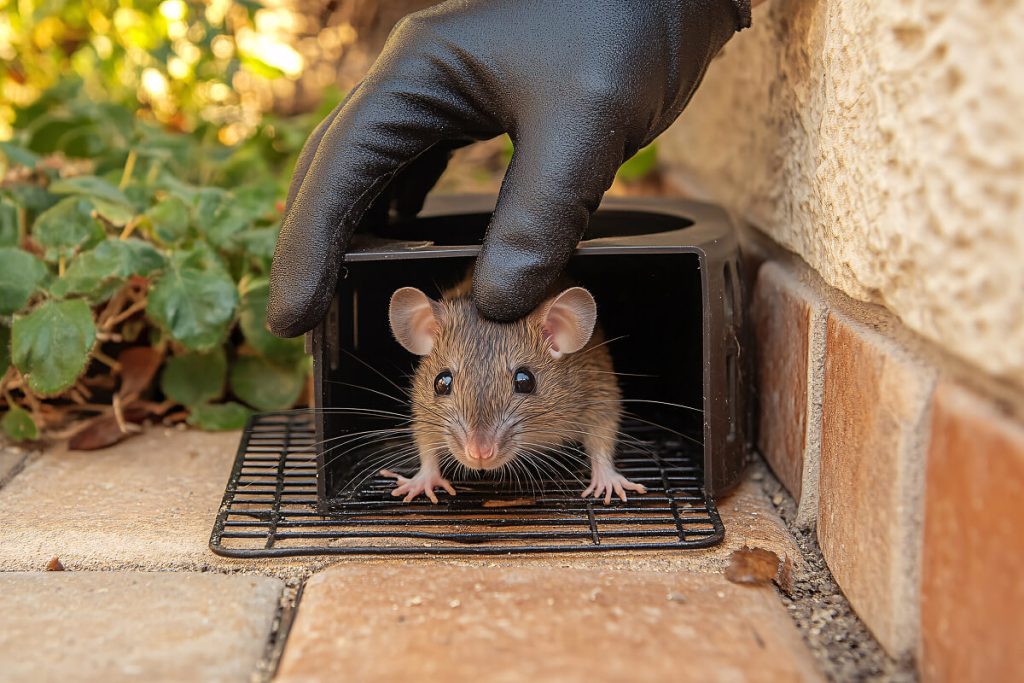
Rodents are among the most destructive and hazardous pests found in homes, warehouses, food industries, hospitals, restaurants, commercial buildings, and agricultural facilities. The most common rodent pests include rats and mice, which are known for contaminating food, damaging property, and spreading diseases.
Rodents have continuously growing incisor teeth that require constant gnawing. This behavior can damage electrical wiring, wooden structures, packaging materials, insulation, and stored products, leading to costly repairs and safety hazards. Effective rodent management requires early detection, proper sanitation, structural proofing, and a professional Integrated Pest Management (IPM) program.
What Do Rodents Look Like?
 |
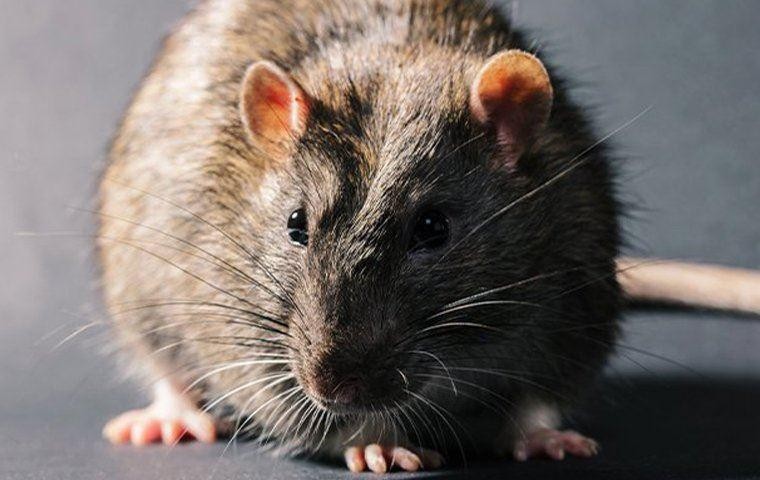 |
The most common rodent pests found in Pakistan include:
Norway Rat (Rattus norvegicus)
- Large, heavy-bodied rat
- Brown to gray in color
- Blunt nose and small ears
- Tail shorter than the body
- Excellent burrower
- Common around warehouses, drains, sewers, food industries, and building foundations
Roof Rat (Rattus rattus)
- Slim, agile body
- Black or dark brown in color
- Pointed nose with large ears
- Tail longer than the body
- Excellent climber
- Frequently found in ceilings, roofs, trees, warehouses, and upper floors
House Mouse (Mus musculus)
- Small body measuring approximately 7–10 cm
- Light gray to brown fur
- Large ears and pointed nose
- Excellent climber and jumper
- Frequently found inside homes, restaurants, offices, supermarkets, and food storage areas
Where Do Rodents Live?
Rodents seek shelter in locations where food, water, and nesting materials are readily available.
Common hiding places include:
- Warehouses
- Food processing facilities
- Homes
- Restaurants
- Hotels
- Hospitals
- Grocery stores
- Roof voids
- False ceilings
- Wall cavities
- Sewers and drains
- Storage rooms
- Gardens
- Burrows around buildings
They are primarily nocturnal and usually remain hidden during the day.
Why Are Rodents a Concern?
Rodents are considered one of the most serious public health pests because they contaminate food and damage buildings.
Rodents can:
- Contaminate food with urine, droppings, and hair
- Damage electrical wiring, increasing fire risk
- Destroy packaging materials and insulation
- Damage furniture and wooden structures
- Consume and contaminate stored grain
- Damage machinery and cables
- Cause significant financial losses
In commercial and food industries, rodent infestations may also result in:
- Product contamination
- Failed food safety audits
- Production downtime
- Customer complaints
- Regulatory non-compliance
Health Risks Associated with Rodents
Rodents can carry numerous disease-causing organisms and parasites.
They are associated with diseases such as:
- Leptospirosis
- Salmonellosis
- Rat-bite fever
- Hantavirus (certain regions)
- Plague (historically associated with infected fleas)
- Lymphocytic choriomeningitis (LCMV)
Rodents also carry:
- Fleas
- Mites
- Ticks
- Lice
These parasites can spread additional diseases to humans and animals.
Signs of a Rodent Infestation
Early detection is essential to prevent serious damage.
Common signs include:
- Rodent droppings
- Gnaw marks on wood, plastic, or wires
- Grease marks along walls
- Burrows around foundations
- Scratching noises in ceilings or walls
- Damaged food packaging
- Footprints and tail marks in dusty areas
- Nests made from paper, cloth, or insulation
- Strong ammonia-like odor
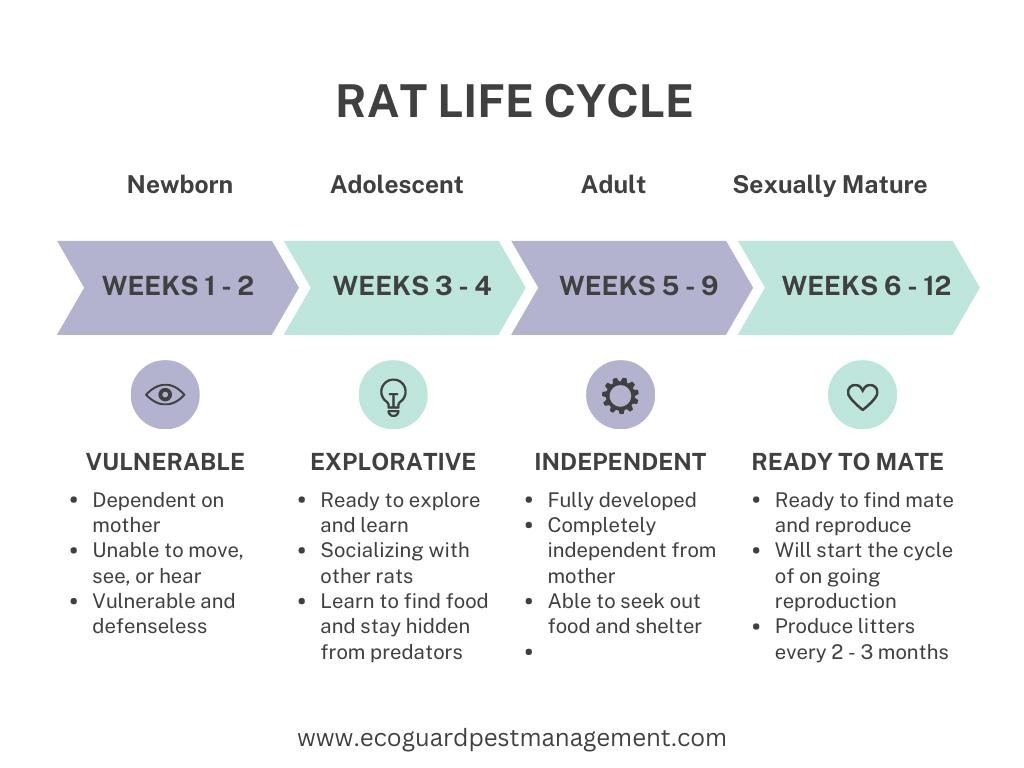
Rodent Life Cycle
 |
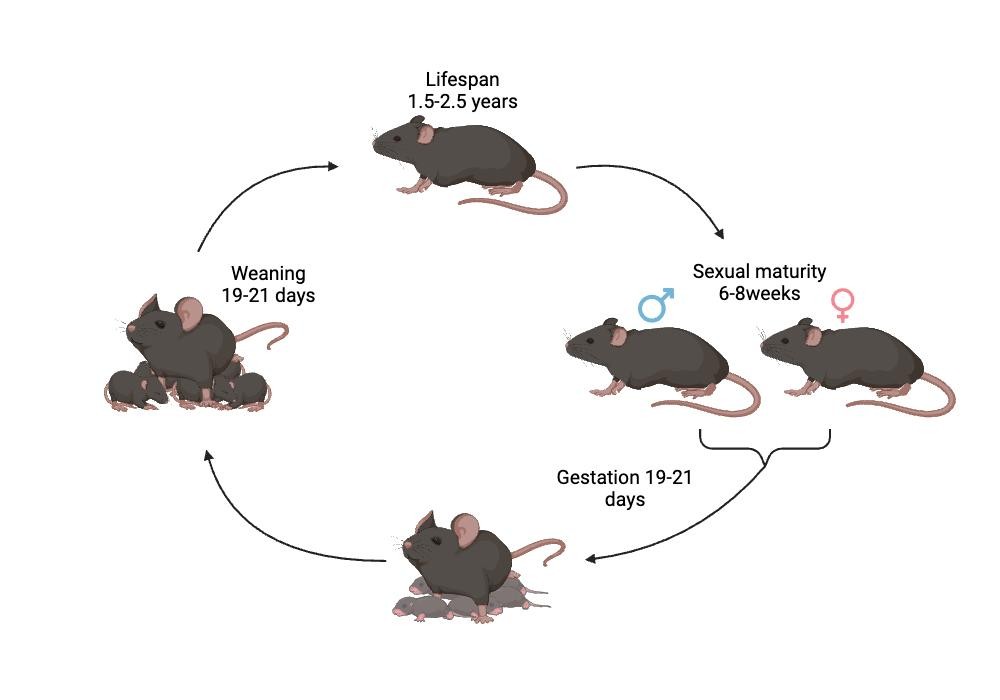 |
Rodents reproduce rapidly under favorable conditions.
Breeding
Female rats and mice can produce multiple litters each year.
Gestation
Pregnancy typically lasts 19–24 days, depending on the species.
Young
Newborn rodents are blind and hairless, relying entirely on their mother.
Adult
Young rodents mature quickly and begin reproducing within 2–3 months, allowing populations to increase rapidly if left uncontrolled.
How to Prevent Rodent Infestations
Successful rodent prevention combines sanitation, exclusion, and regular monitoring.
Eliminate Food Sources
- Store food in rodent-proof containers
- Clean food spills immediately
- Remove garbage regularly
- Keep storage areas clean
Eliminate Water Sources
- Repair leaking pipes
- Eliminate standing water
- Maintain proper drainage
Remove Shelter
- Trim vegetation around buildings
- Remove clutter and debris
- Store materials off the ground
- Remove abandoned equipment
Rodent-Proof Buildings
- Seal openings larger than 6 mm (¼ inch)
- Install door sweeps
- Repair damaged vents and screens
- Seal gaps around utility pipes and cables
Monitor Regularly
- Inspect bait stations
- Check rodent activity frequently
- Replace damaged bait stations
- Maintain inspection records
Professional Rodent Control
At FLORA Services, we provide customized Integrated Pest Management (IPM) programs for effective rodent control.
Our professional services include:
- Comprehensive site inspection
- Rodent activity assessment
- Identification of rodent species
- Rodent-proofing recommendations
- Installation of tamper-resistant bait stations
- Mechanical trapping
- Safe rodenticide programs
- Monitoring and reporting
- Follow-up inspections
- Long-term prevention programs
Our rodent management programs comply with food safety and quality standards for residential, commercial, and industrial facilities.
Frequently Asked Questions
What is the difference between rats and mice?
Rats are generally larger, stronger, and more cautious than mice. Mice are smaller, reproduce more quickly, and can enter through openings as small as 6 mm.
How do rodents enter buildings?
They can enter through gaps around doors, utility pipes, vents, roof openings, damaged walls, and foundation cracks.
Do rodents spread diseases?
Yes. Rodents can contaminate food and surfaces with urine, droppings, and saliva and may carry disease-causing organisms and parasites.
Why do rodents chew electrical wires?
Rodents have continuously growing teeth and gnaw on hard materials to keep them worn down, which can damage wiring and increase fire risks.
How often should rodent control be carried out?
High-risk facilities such as food industries, warehouses, hospitals, and restaurants should have continuous monitoring and regular inspections as part of an Integrated Pest Management (IPM) program.
Why Choose FLORA Services?
FLORA Services offers professional rodent control solutions for homes, warehouses, food industries, pharmaceutical facilities, restaurants, hospitals, offices, and commercial properties across Pakistan. Our trained technicians and entomologists use Integrated Pest Management (IPM) principles to deliver effective, safe, and environmentally responsible rodent management.
From detailed inspections and rodent-proofing to bait station installation and continuous monitoring, we provide comprehensive solutions that help protect your property, products, and reputation.
Contact FLORA Services
Protect your property from rodent damage and health risks with professional pest management solutions.
📞 24/7 Customer Support: 0345-9994222
Schedule a professional rodent inspection today and keep your home or business rodent-free with FLORA Services.